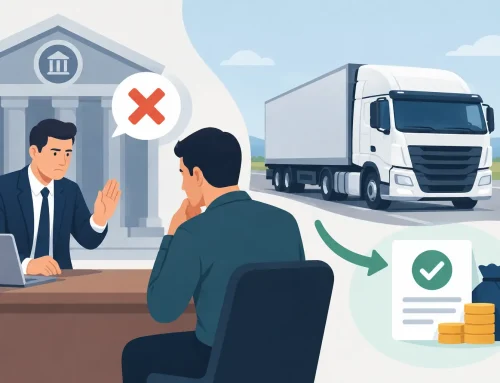
A new ute, truck, excavator or piece of specialised equipment can create income from the day it arrives. But if your bank has said no, or asked for paperwork you do not have, the purchase can feel out of reach. This asset finance approval process guide explains what lenders assess, how to prepare, and what to do when a straightforward application becomes more complex.
Asset finance is not only for borrowers with spotless credit files and two years of perfect financials. Specialist lenders can consider a wider range of circumstances, including self-employed applicants, past credit issues, low-doc applications and businesses that need an asset quickly to fulfil work.
What lenders look at before approving asset finance
The asset itself matters, but it is only one part of the decision. A lender needs confidence that the loan is affordable, the security has an acceptable value and the proposed transaction makes commercial sense.
For a business application, they will generally assess your trading history, income, existing debts, repayment conduct and the purpose of the asset. A plumber replacing an ageing work vehicle, for example, presents a different picture to a newly established business buying a high-value prestige vehicle. Neither situation is automatically unacceptable, but the lender, deposit, loan term and documentation requirements may differ.
Your credit report is also reviewed. A missed mobile bill from years ago is not viewed in the same way as recent unpaid defaults, tax arrears, court judgments or multiple overdue facilities. Be upfront about any issues. Trying to hide them wastes time and can cause an otherwise workable application to be declined.
The asset’s age, condition, purchase price and resale value can influence approval as well. New cars, vans, trucks, trailers, plant and standard business equipment are often easier to finance than older machinery, highly specialised equipment or private-sale assets. Some lenders will finance these assets, but they may require a larger deposit, shorter term or additional information.
The asset finance approval process, step by step
The right application begins before a form is submitted. Good preparation helps a lender make a decision faster and gives your broker more options if one funding line does not suit your circumstances.
1. Define the asset and how it will be used
Start with a clear quote, invoice or purchase agreement showing the seller, asset description, price and GST treatment. Let your broker know whether the asset is being bought from a dealer or a private seller, whether it is new or used, and whether there is a trade-in or deposit.
Explain its purpose in plain terms. Will the truck allow you to take on a new contract? Is the machinery replacing hired equipment that is draining cash flow? Are you purchasing a vehicle for personal use, or for a business? This context can help match the application with a lender that understands the transaction.
2. Choose a repayment structure that fits
Asset finance is not one single product. Depending on the asset and borrower, options may include a chattel mortgage, finance lease, commercial hire purchase or a consumer car loan. Each has different ownership, tax, GST and end-of-term considerations.
A chattel mortgage can suit businesses that want to own the asset from the start, while a lease may better suit a business focused on regular use and cash flow. A balloon payment can reduce monthly repayments, but it leaves a lump sum due at the end of the term. It can be useful when carefully planned, yet it should not be added simply to force an unaffordable deal into approval.
An accountant can advise on the tax treatment for your circumstances. Your finance adviser can help compare repayment structures and lender policies, so the decision is based on more than the advertised rate.
3. Gather documents that support your case
The documents required depend on the lender, loan size, asset type and your credit profile. PAYG applicants may need recent payslips, bank statements and identification. Business owners may be asked for bank statements, BAS, financial statements, tax returns, accountant-prepared figures or evidence of current contracts.
Low-doc asset finance may be available in some situations, particularly where bank statements and an ABN history support the application. Low doc does not mean no assessment. A lender still needs a reasonable picture of your ability to repay.
If you have had a credit event, prepare a short, factual explanation. State what happened, when it happened, whether it has been repaid or resolved, and why your position is now different. A temporary illness, business disruption, relationship breakdown or delayed customer payment may provide important context. Do not over-explain or make promises you cannot prove.
4. Check affordability before the lender does
A lender will look beyond the proposed instalment. They may consider existing vehicle loans, credit cards, ATO arrangements, rent or mortgage commitments, business overheads and irregular income. The key question is whether the repayment remains manageable after those commitments are met.
For business owners, clean business bank statements can be particularly helpful. They show turnover, expenses, account conduct and whether repayments are likely to fit the ordinary rhythm of the business. If cash flow varies by season, say so early. A loan term or repayment schedule may need to reflect that reality.
5. Submit to the lender most suited to your profile
This is where specialist advice can make a practical difference. A mainstream bank may have a narrow policy on credit defaults, ABN age, private sales, older assets or self-employed income. Another lender may be more flexible but charge a higher rate or require a deposit.
The cheapest-looking option is not always the most achievable or the most suitable. Compare the interest rate, establishment fees, monthly account fees, loan term, balloon payment, early payout conditions and security requirements. Approval speed matters too, especially if a dealer has a delivery deadline or the asset is needed for contracted work.
6. Respond quickly to conditional approval
An initial approval is often conditional, not final. The lender may request an updated bank statement, proof of deposit, a clearer invoice, insurance details, confirmation of a payout figure or further information about a credit listing.
Responding promptly keeps the file moving. Avoid taking on new debt, applying for several other facilities or changing jobs while approval is being finalised unless you discuss it first. These changes can alter the application and lead to fresh assessment.
7. Sign, settle and protect the asset
Once final approval is issued, review the finance documents carefully. Confirm the financed amount, repayment frequency, term, interest rate, fees, balloon amount and any personal guarantee. Make sure the asset details match what you are buying.
The lender will usually require appropriate insurance before settlement, with its interest noted where required. Funds may then be paid directly to the dealer or seller. Keep your paperwork, maintain the asset and make repayments on time. Strong conduct on this facility can help build options for future vehicle, equipment or business funding.
If you have bad credit or limited documents
A decline from one lender is not a verdict on your ability to obtain asset finance. It often means the application did not fit that lender’s policy at that time. The next step is not to submit applications everywhere. Multiple enquiries can make a difficult credit file harder to place.
Instead, identify the real issue. Is it a recent default, an unpaid tax debt, insufficient trading history, low declared income, an older asset or a high loan-to-value request? Once the obstacle is clear, there may be a solution: reducing the loan amount, contributing a deposit, selecting a different asset, providing stronger bank-statement evidence or approaching a specialist lender.
There are trade-offs. Flexible lenders may price for additional risk, and a larger deposit can protect both your approval prospects and your repayments. The aim is not merely to get approved. It is to secure finance that supports the business rather than creating more pressure next month.
Common mistakes that slow approval
The most avoidable delay is an inconsistent application. If your stated income, bank statements, asset quote and credit explanation do not line up, expect questions. Provide accurate information from the outset, including all existing debts and any relevant credit problems.
Another mistake is focusing only on the monthly repayment. A low repayment over a long term, or one supported by a large balloon, may cost more overall and leave you exposed at the end. Consider the total commitment and how the asset is likely to hold its value.
Finally, do not wait until the day before settlement to seek finance. Getting an early assessment gives you room to compare options, fix document gaps and negotiate with confidence.
When your Bank says NO, it can feel personal. It usually is not. Lending policy is often rigid, while real life and real businesses are not. Non Conforming Loans can provide a second opinion on the asset, your income evidence and the specialist finance pathways that may suit your position. The strongest application is simply an honest, well-prepared case that shows how the asset will work for you and how the repayments will be met.