A low doc loan is not a no-doc loan. That distinction matters when you are self-employed, your latest tax return does not reflect your current income, or a bank has already said no because your paperwork does not fit its policy. The documents needed for a low doc home loan application are usually simpler than a full-doc application, but lenders still need enough evidence to understand your income, your business and your ability to meet repayments.
For many Australian business owners, the challenge is not earning enough. It is proving income in a format a mainstream bank will accept. A specialist lender may take a more practical view, particularly where your business has stable turnover, your bank conduct is sound and there is equity or a suitable deposit behind the application.
What does low doc actually mean?
A low documentation home loan is generally designed for self-employed borrowers who cannot, or prefer not to, provide the usual two years of personal and business tax returns and financial statements. It can be used for a purchase, refinance, debt consolidation, cash out or, in some cases, construction.
Instead of relying only on lodged tax documents, the lender may assess alternative evidence of income. This can include a borrower income declaration, recent business activity statements, business bank statements, an accountant’s letter or a combination of these documents.
Low doc does not mean a lender ignores risk. Interest rates, fees, loan-to-value ratio and documentation requirements can be different from standard home loans. The stronger your overall application, the more options may be available. A borrower with a clean repayment history, a genuine deposit and well-managed accounts will usually present more strongly than someone seeking a high-LVR loan with recent defaults.
Documents needed for a low doc home loan application
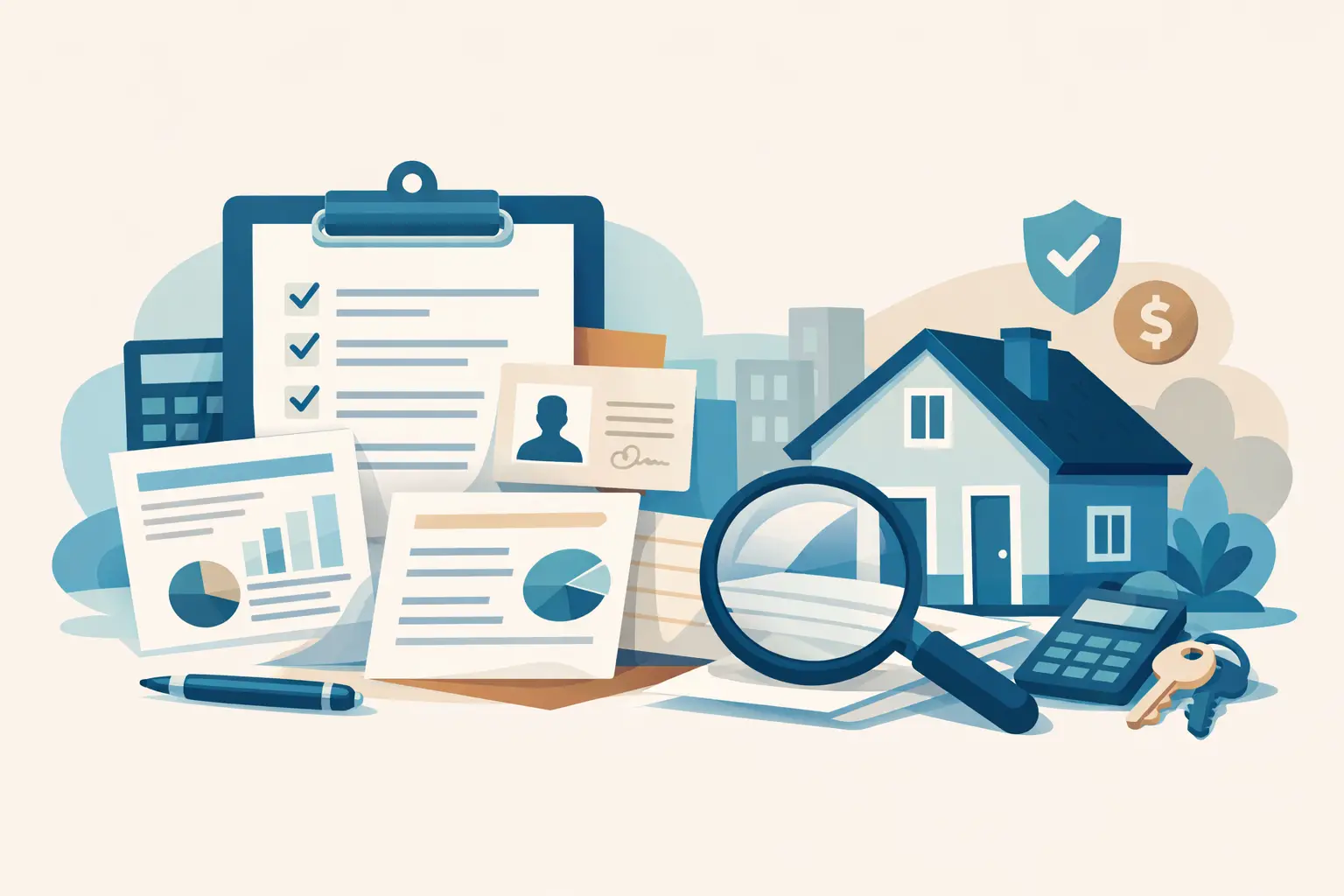
Every lender has its own policy, so there is no single checklist that applies to every borrower. Still, most applications are built around four areas: identity, income, bank conduct and the property or security being offered.
Identity and residency documents
You will normally need identification that meets Australia’s standard verification requirements. This commonly includes a current Australian driver licence or passport, plus a Medicare card, rates notice, utility bill or bank statement showing your residential address.
If you are applying with a partner, company or trust, expect to provide documents for each relevant party. Trust applications may require the trust deed. Company borrowers may need company extracts and details of directors and shareholders. Foreign citizens, temporary visa holders and Australian expats may also need visa, residency or overseas identification documents, depending on the lender.
Evidence of self-employed income
This is the heart of a low doc application. Rather than asking for a full set of financials, lenders may accept one or more alternative forms of verification. The exact mix depends on the loan amount, the LVR, the purpose of the loan and your credit profile.
Common income documents include:
- A signed borrower income declaration stating your annual income and employment or business details.
- Recent Business Activity Statements, often covering the latest 6 to 12 months.
- Business bank statements that show regular turnover and operating activity.
- An accountant’s letter confirming your income, length of self-employment and the ongoing nature of the business.
- Self-Employed (company directors only) 3-months payslips AND last financial year ATO
income statement.
A signed declaration should always be accurate. Inflating income to obtain a larger loan can create serious problems later, including an unaffordable repayment. The better approach is to use evidence that supports a realistic figure your business can sustain.
For example, a plumber operating through a company may have modest taxable income after legitimate deductions, but solid monthly deposits into the business account. A lender may consider that turnover alongside an accountant’s confirmation and the borrower’s declared income. Turnover alone is not the same as income, however. The lender will still consider expenses, existing liabilities and the type of business you run.
Personal and business bank statements
Bank statements do more than prove money is coming in. They show how you manage it. Most lenders will want recent statements for your personal accounts and, where relevant, business accounts. Three to six months is common, although more may be requested.
They will look for regular income or turnover, available funds for the deposit and loan costs, existing loan repayments, credit card commitments, direct debits and any overdrawn or dishonoured transactions. A one-off returned payment does not always end an application, but repeated dishonours, unpaid direct debits or heavy gambling activity can limit lender choices.
Before applying, avoid moving money around simply to make accounts look better. Lenders can ask questions about unusual credits and transfers. Clear, consistent banking tells a stronger story than accounts that have been artificially rearranged.
Details of your debts and living expenses
A low doc loan still requires an affordability assessment. Be ready to disclose your home loans, personal loans, car finance, credit cards, buy now pay later accounts, tax debts and guarantees. If you are refinancing, provide recent loan statements and a payout figure where possible.
You should also provide a realistic view of household expenses. Underestimating spending may seem tempting when you want approval, but it can result in a loan that puts pressure on your cash flow. A specialist broker can help identify which debts may be consolidated and whether consolidation will genuinely improve your position rather than merely extend it.
Deposit, equity and property documents
For a purchase, you may need a signed contract of sale, evidence of your deposit and details of any gifted funds. For a refinance, the lender will generally order a valuation and may ask for your current loan statement and council rates notice.
Where you are using equity in another property, provide the address, ownership details and current mortgage information for that security. The property type can also influence the result. Standard residential homes are generally easier to finance than unusual properties, hobby farms, small acreage, serviced apartments or properties with leasehold arrangements.
Why a low doc application can be declined
Being self-employed is not the problem. Weak evidence, mismatched information or an unsuitable lender policy usually causes the trouble. A declaration showing strong income while bank statements show declining turnover will raise questions. So will a newly established business with no trading history, major ATO arrears that have not been addressed, or a high-LVR request combined with recent credit issues.
This does not mean there is no pathway forward. It may mean reducing the loan amount, waiting until more BAS periods are available, paying down a debt, improving bank conduct or using a lender that is comfortable with your particular industry and documentation. The right solution depends on the full picture, not one credit score or one missed payment.
How to prepare before you apply
Start by gathering your documents before you sign a contract or submit multiple applications. Check that your name, address, ABN or company details are consistent across records. If there is a credit issue, prepare a brief factual explanation with evidence of what has changed. A paid default, discharged bankruptcy or past tax debt may be manageable where the circumstances are clear and your current position is stable.
It also helps to separate business and personal spending if they are currently mixed. This makes income easier to verify and gives lenders a clearer view of trading performance. If your accountant is providing a letter, make sure it is current, signed and contains the details the lender requires.
A broker who works with non-conforming and specialist lenders can assess the evidence you already have before selecting a funding line. At Non Conforming Loans, the focus is on looking beyond a rigid checklist and presenting your circumstances clearly, particularly when your bank has declined an otherwise workable application.
The goal is a credible, affordable application
Low doc finance can give established self-employed Australians a practical route to property ownership or refinancing without waiting for a conventional bank file to catch up with reality. But the application still needs to make sense on paper: genuine income, manageable commitments, transparent bank conduct and a property that meets lender criteria.
If your documents are incomplete, do not assume the answer is automatically no. Gather what you have, be upfront about any gaps and seek a second opinion before giving up. The right lender may not ask for the same evidence as your bank, but it will always value a clear and honest financial story.