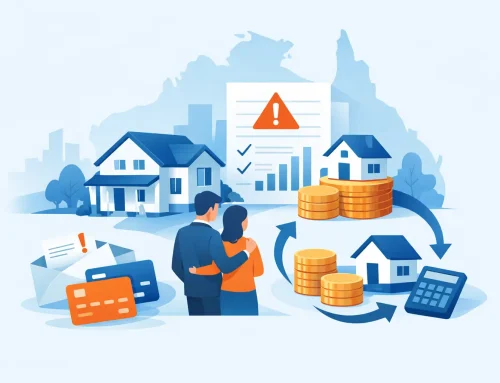
A bank can decline a self-employed borrower with a solid deposit, good equity and years in business simply because last year’s financial statements are not ready. That is where the question, what are the eligibility criteria for low doc home loans, becomes practical rather than theoretical. Low doc lending is designed for people who can afford a home loan but cannot produce the full set of documents a mainstream lender wants.
It is not a shortcut around affordability. A specialist lender still needs confidence that your income is genuine, the loan is affordable and the property is suitable security. The difference is how that confidence can be established.
What are the eligibility criteria for low doc home loans?
Low doc home loans are most commonly used by self-employed borrowers, including sole traders, company directors, contractors and professionals whose taxable income does not tell the full story. You may be eligible if you have a reliable income source but do not have current tax returns and financials, or if those documents do not reflect your present trading position.
Lenders assess each application individually, but eligibility usually comes down to five areas: your business and income evidence, the loan-to-value ratio, credit history, current commitments and the property being offered as security. A strong application does not have to be perfect in every category. For example, a borrower with a smaller deposit may need cleaner credit and stronger business banking evidence. A borrower refinancing an existing property with substantial equity may have more flexibility.
You need a believable, ongoing income source
Most low doc lenders want to see that you are genuinely self-employed and that your declared income is reasonable for your industry, business size and transaction history. An Australian Business Number is commonly required, and many lenders prefer that it has been active for a minimum period. GST registration can also strengthen an application where it applies to your turnover and business structure.
Rather than relying only on full financial statements, a lender may consider an accountant’s declaration, business activity statements, business bank statements, trading history, invoices or contracts. Some lenders accept a combination of these documents. The acceptable evidence and required history vary, particularly where your business is new, seasonal or has recently changed direction.
Be realistic when declaring income. Inflating a figure to achieve a higher borrowing amount can create problems when the lender compares it against bank credits, BAS figures or your usual industry earnings. Low doc does not mean no questions asked. It means the lender can use alternative ways to verify that the income makes sense.
Deposit, equity and the low doc loan-to-value ratio
Your deposit or available equity is a major part of low doc eligibility. The loan-to-value ratio, or LVR, is the amount you are borrowing compared with the property value. A lower LVR generally gives lenders more comfort because there is a larger equity buffer if property values move or your circumstances change.
Some specialist low doc products can accommodate higher LVRs than others, but the maximum available will depend on the strength of your application. Credit history, location and type of property, income evidence and whether you are purchasing or refinancing all matter. Lenders may also require genuine savings, although this is not always assessed in the same way as a standard bank loan.
If you are refinancing, usable equity may take the place of a cash deposit. This can be helpful for established business owners whose wealth is tied up in property. It can also assist borrowers looking to consolidate high-interest debts, pay out tax arrears or obtain cash out for a clear and sensible purpose. The key is that the new repayment must still be manageable.
The property must meet lender security policy
The property is not just the home you want to buy. It is the security behind the loan, so lenders consider its marketability as carefully as they consider the borrower. Standard residential properties in major cities and larger regional centres are often simpler to finance than unusual dwellings, very small units, rural lifestyle properties or properties in locations with limited resale demand.
This does not mean non-standard properties are automatically out of reach. It means lender choice can narrow and the deposit requirement may increase. A valuation is usually required, and the lender will base the final loan amount on the valuation outcome rather than the purchase price alone.
For construction loans, eligibility can be more detailed. The lender may want fixed-price building contracts, approved plans, builder details, progress payment schedules and evidence that you can meet any costs outside the loan amount. Low doc construction finance is possible in some situations, but it requires careful structuring before you commit to the build.
Credit history matters, but it is not the whole story
A clean credit report can improve your choice of lenders and pricing. However, low doc borrowers are not always perfect-credit borrowers. Missed repayments, defaults, paid judgments, past hardship arrangements or a previous bank decline do not automatically end the conversation with a specialist lender.
What matters is the detail. Was the credit issue isolated or repeated? Has it been paid? How long ago did it occur? Is there a sensible explanation, such as a business disruption, illness, relationship breakdown or a short-term cash-flow issue? Most importantly, what has changed since then?
Current conduct carries real weight. Making all repayments on time, reducing credit card limits and clearing small outstanding defaults can make an application stronger. If you have been discharged from bankruptcy or are managing adverse credit, a low doc loan may still be considered, but expect the lender to examine your deposit, equity, income stability and recent repayment behaviour closely.
Your existing debts must be affordable
Lenders do not only look at the new home loan repayment. They assess your existing commitments, including personal loans, vehicle finance, business loans, credit cards, buy now pay later accounts and dependants. A borrower can have a healthy business turnover but still struggle to qualify if too much income is committed elsewhere.
This is why debt consolidation can sometimes make sense. Replacing several high-interest repayments with one appropriately structured mortgage repayment may improve cash flow, provided the overall loan remains affordable and the purpose is clearly explained. Consolidation is not suitable in every case, especially if it simply shifts spending problems into a longer-term debt. A careful assessment should show whether it genuinely improves your position.
Residency, entity structure and loan purpose
Australian citizens and permanent residents are usually the most straightforward applicants, but specialist lenders may also consider temporary visa holders, expatriates and Australian citizens earning foreign income. The available options, required deposit and documents can differ significantly depending on residency status and where income is earned.
Your business structure also matters. Sole traders, partnerships, companies and trusts can all be considered, though company and trust borrowers may need to provide additional entity documents, guarantees or trading evidence. Where a trust owns the property or receives the income, the loan needs to be structured correctly from the start.
Low doc finance can be used for a home purchase, refinance, investment property purchase, equity release or selected construction projects. The purpose must be clear and acceptable to the lender. If cash out is requested, be ready to explain how the funds will be used, whether for a business opportunity, renovations, tax debt, debt repayment or another legitimate purpose.
How to put forward a stronger application
The fastest way to weaken a low doc application is to provide incomplete or inconsistent information. Before applying, make sure your declared income aligns with the documents you can provide. Review your credit report, know your current loan balances and credit limits, and have a clear picture of your deposit or available equity.
It also helps to separate business and personal spending where possible. Regular business bank statements that show consistent income are easier for a lender to assess than mixed accounts with unexplained transfers. If there was a recent credit issue or a drop in turnover, prepare a short, factual explanation and evidence of the improvement.
A specialist broker can compare lender policies against the facts of your case rather than forcing your circumstances into a standard bank checklist. When your Bank says NO, it may be because its policy does not fit your documentation – not because home ownership is out of reach. Non Conforming Loans can provide a second opinion and help identify the evidence that gives your application its best chance.
The right low doc loan is not simply the one that approves the largest amount. It is the one with repayments you can sustain through quieter trading months, terms you understand and a structure that supports the next step for you, your family and your business.