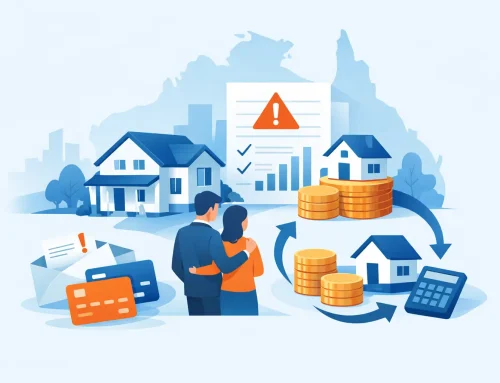
A default can make every overdue bill feel bigger than it is. If you are juggling credit cards, personal loans, ATO debt or arrears, debt consolidation loans with defaults may offer a way to replace several repayments with one manageable facility. A bank decline does not automatically mean there is no lending option. It means the right structure, lender and evidence matter more.
For many Australians, the goal is not simply to borrow more money. It is to stop high-interest debts from pulling household cash flow in different directions and create a clear path forward.
Can you get debt consolidation loans with defaults?
Potentially, yes. Specialist lenders assess applications differently from mainstream banks, particularly where an applicant has a paid default, an older credit issue, a clear explanation for financial hardship, or strong equity in property. There is no automatic approval, and a default will affect the loan options available. However, a credit report is only one part of the overall picture.
A lender will usually want to understand what caused the default, whether it has been paid or remains outstanding, and what has changed since then. A default caused by a short period of illness, separation, reduced work hours or a business interruption can be viewed differently from a pattern of recent unpaid commitments.
The strongest applications show that the underlying issue has been addressed. That might mean stable employment, improved income, paid arrears, a realistic household budget, or sufficient equity to consolidate debts into a mortgage refinance. When your Bank says NO based on a rigid scorecard, a specialist assessment can look beyond the label.
How consolidation can work when you have a default
Debt consolidation generally involves refinancing an existing home loan or taking out a new loan secured by property, then using the funds to pay selected debts. Instead of managing separate payments to multiple providers, you make one repayment to the new lender.
For example, a homeowner may have a mortgage, two credit cards, a personal loan and an overdue tax debt. Rolling eligible debts into one secured facility can reduce monthly commitments because home loan rates are often lower than unsecured debt rates and the term is longer. This can improve cash flow, but it also creates an important trade-off: debts that may have been short term are now secured against your property.
That is why consolidation should be purposeful. The facility needs to be affordable over the long term, and the old debts need to be closed or reduced as planned. Consolidating balances while continuing to use the cleared credit cards can leave you in a worse position than where you started.
Paid, unpaid and recent defaults are not treated the same
The details of a default matter. A paid default is generally easier to work with than an unpaid one, although lenders will still consider when it was paid and why it occurred. An unpaid default may sometimes be settled from loan proceeds, subject to the lender’s policy and the overall strength of the application.
Recent defaults usually require more explanation than older events. If there are multiple current arrears, missed mortgage repayments or a continuing shortfall between income and expenses, consolidation may not be the right immediate solution. In those circumstances, dealing with hardship arrangements, reducing expenses or obtaining financial counselling may need to come first.
What specialist lenders assess
A specialist lender does not ignore credit issues. It assesses risk using a broader set of factors than a standard bank policy may allow. The aim is to establish whether the proposed loan is sustainable, not simply whether a default appears on your file.
Key considerations often include your current income and employment stability, the amount and type of debts being consolidated, your repayment history since the default, the property value and available equity, and the loan-to-value ratio after fees and debts are included. Lenders will also review your living expenses and any dependants or ongoing commitments.
For self-employed borrowers, the challenge may be as much about documentation as credit. You may have good turnover and equity but no up-to-date financial statements that satisfy a major bank. Depending on the scenario, a low doc or alternative documentation pathway may be available through a specialist lender. The evidence required varies, but it must still support the ability to meet repayments.
A clear explanation is valuable. Rather than trying to hide a default, provide the context and show the resolution. Supporting documents may include proof that a debt has been paid, a letter explaining the circumstance, recent loan statements, payslips, tax returns, business activity statements or bank statements. A well-presented application helps a lender see the current position, not only the worst point in your financial history.
Equity can create options, but it is not a shortcut
Property equity is often central to debt consolidation mortgages. If your property is worth more than the existing mortgage and proposed new lending, that gap may provide security for a refinance and debt payout.
More equity can improve lender choice and pricing, but it does not replace serviceability. You still need to demonstrate that the new repayment can be met after allowing for everyday costs, rates, insurance and other commitments. It is also worth allowing for valuation outcomes, lender fees and discharge costs. Borrowing right up to the limit can leave little room if circumstances change.
The loan-to-value ratio available will depend on the lender, property type, location, credit profile and the nature of the defaults. Some borrowers may need to contribute funds, accept a lower loan amount or settle a debt before approval. An experienced broker can identify these issues early rather than allowing an application to fail late in the process.
When consolidation is a good fit
Consolidation can be useful where high-interest repayments are putting pressure on an otherwise stable household budget. It may suit a borrower with reliable income, sufficient property equity and debts that can be paid out in full as part of the refinance.
It can also make sense for a borrower whose credit file has been affected by a temporary event but who is now back on track. The new facility may simplify repayments, reduce interest costs in some cases and help prevent further missed payments.
It is less suitable when the core problem is ongoing income instability or spending that exceeds available income each month. Extending debt over 20 or 30 years can lower the repayment today while increasing the total interest paid over time. Before proceeding, compare the total cost, loan term, fees, rate type and repayment amount, not just the immediate monthly saving.
Steps to strengthen your application
Start by obtaining a copy of your credit report and checking that defaults, repayment history and account balances are accurate. If an entry is incorrect, raise it with the relevant credit reporting body or credit provider before applying. If the default is accurate, focus on presenting evidence of what has improved.
Next, list every debt you want to consolidate, including payout figures, interest rates, monthly repayments and any early repayment fees. This prevents gaps in the loan amount and helps determine whether the refinance genuinely improves your position.
Try to avoid multiple direct applications while you are working out your options. Several enquiries in a short period can complicate a credit assessment. A specialist broker can assess the scenario, match it to lenders that consider your circumstances and structure the application around the purpose of the loan.
Be realistic about the outcome. You may not receive the same rate or maximum loan-to-value ratio offered to a borrower with a clean credit record. A specialist loan can sometimes be a stepping stone: consolidate debt, make every repayment on time, improve the credit profile and review refinancing options later when the position is stronger.
A second opinion can change the conversation
Financial difficulty is not a character judgement, and a default does not have to define every lending decision that follows. The right loan must still be affordable and appropriate, but borrowers with property, income and a credible plan often have more options than they expect.
Non Conforming Loans helps Australians think outside the box when traditional lending policies do not reflect their full circumstances. If consolidation will genuinely put you back in control, a careful assessment now can be the first practical step towards a cleaner financial position.